
Blog
Our Blog
Local Cost Factors That Affect Dental Implant Pricing in Pittsburgh
Dental implants are a long-term solution for missing teeth, but many Pittsburgh patients notice that prices can vary from one provider to another. While implants may seem expensive at first, several local factors influence pricing.
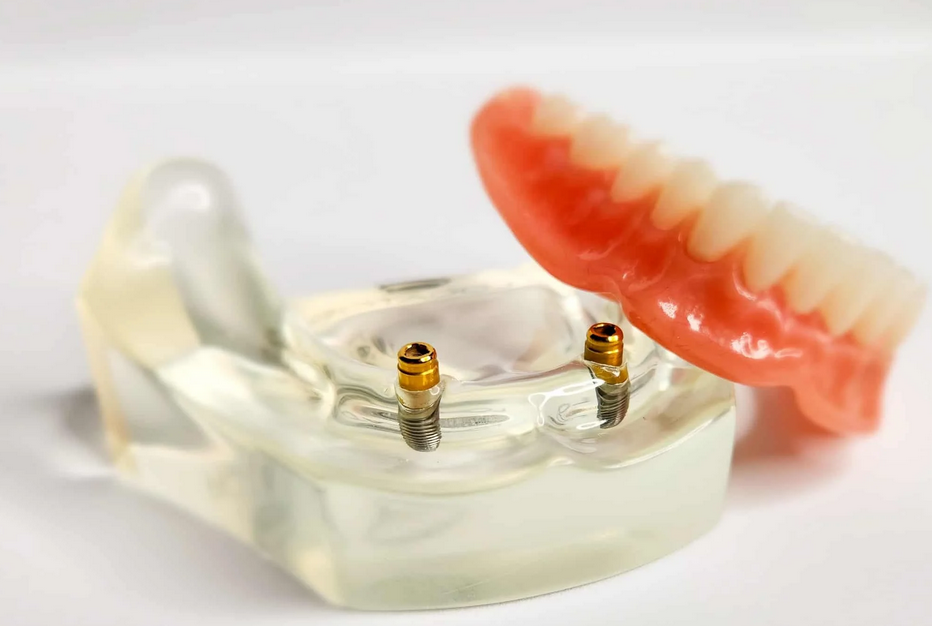
Factors Affecting Dental Implant Pricing
By understanding cheap and affordable dental implants Pittsburgh PA elements, patients can better evaluate their options and make informed decisions without unnecessary stress.
Cost of Living and Operating Expenses in Pittsburgh
To start, the local cost of living directly impacts dental implant pricing. Pittsburgh offers a lower cost of living compared to larger metropolitan areas, which can help keep dental care more affordable. However, operating a modern dental practice still involves expenses such as rent, staff salaries, equipment maintenance, and utilities.
As a result, implant pricing reflects the balance between competitive local rates and the cost of running a high-quality practice. This explains why prices may differ even within the same city.
Provider Experience and Specialized Training
Another major factor is the dentist’s level of experience and training. Implant dentistry requires advanced education and hands-on expertise. Providers who focus heavily on implant procedures often invest in continuing education and specialized certifications.
While experienced implant dentists may charge more, their skill level reduces the risk of complications. In the long run, this experience can save patients money by avoiding corrective treatments or implant failure.
Diagnostic Technology and Treatment Planning
Modern dental implant procedures rely on advanced diagnostic tools. In Pittsburgh, many practices use digital X-rays, 3D imaging, and guided implant technology to improve accuracy. These tools allow dentists to plan implant placement more precisely and tailor treatment to each patient.
Although advanced technology adds to upfront costs, it improves outcomes and reduces surgical risks. Therefore, the investment often leads to better long-term value rather than unnecessary expense.
Additional Procedures Based on Local Patient Needs
Not every patient is ready for implants right away. Some Pittsburgh patients may require additional procedures such as tooth extractions, bone grafting, or sinus lifts due to bone loss or long-term tooth absence.
These procedures increase total treatment costs but are essential for implant success. Skipping them to save money can compromise results, which is why reputable providers prioritize proper preparation over lower pricing.
Materials and Implant Systems Used
The type of implant materials used also affects pricing. Affordable implants still rely on high-quality titanium or zirconia systems that have been clinically tested for durability. Cheaper alternatives may use less reliable components with limited warranties.
In Pittsburgh, many dental practices choose trusted implant brands known for long-term success. While these materials may cost more initially, they often last longer and require fewer repairs over time.
Insurance Coverage and Local Financing Options
Dental insurance coverage for implants varies widely. Some Pittsburgh insurance plans may cover related procedures like crowns or extractions, which can reduce out-of-pocket expenses.
Additionally, many local dental offices offer financing plans, monthly payment options, or in-house membership programs. These options make implant treatment more accessible without forcing patients to compromise on care quality.
Competition Among Local Dental Practices
Pittsburgh’s competitive dental market also plays a role in pricing. With many practices offering implant services, providers often work to keep prices reasonable while maintaining high standards.
This competition benefits patients by encouraging transparency, flexible payment options, and improved patient experience across the board.
Conclusion: Factors Affecting Dental Implant Pricing
Dental implant pricing in Pittsburgh is shaped by several local factors, including operating costs, provider experience, technology, materials, and patient-specific needs. While prices may vary, understanding these influences helps patients recognize the difference between cost and value. By focusing on quality care, proper planning, and long-term success, Pittsburgh patients can choose dental implants that fit both their health goals and their budget.
How Location and Materials Influence the Cost of Dental Implants
Dental implants offer a long-lasting solution for missing teeth, but many patients feel surprised by how much prices can vary. While several factors affect the final cost, location and materials play two of the biggest roles.

How Location and Materials Affect Cost of Dental Implants
Understanding how these elements influence pricing can help you make informed decisions and plan your cheap and affordable dental implants Pittsburgh PA with confidence.
Why Geographic Location Affects Pricing
First of all, where you receive dental implant treatment has a major impact on cost. Dental practices in large cities or high-cost-of-living areas typically charge more. Higher rent, staff wages, and operating expenses all contribute to increased pricing. As a result, patients in urban centers often see higher implant costs than those in smaller towns.
However, this does not mean higher prices always equal better care. Many reputable providers in suburban or regional areas offer excellent treatment at more competitive rates. Therefore, looking beyond city limits can sometimes lead to meaningful savings.
Regional Demand and Local Competition
In addition to general location, local demand and competition also affect implant pricing. In areas with many implant specialists, clinics often adjust pricing to stay competitive. This healthy competition can benefit patients through more flexible payment options or bundled services.
On the other hand, regions with fewer specialists may have higher prices due to limited availability. Consequently, patients may pay more simply because there are fewer providers offering implant services nearby.
How Materials Impact Implant Costs
Materials used in dental implants significantly influence overall pricing. Most implants are made from titanium or zirconia, both known for durability and biocompatibility. Titanium implants are widely used and often more affordable due to their long history and proven success.
Zirconia implants, while aesthetically appealing and metal-free, usually cost more. They require specialized manufacturing and precise placement. Although both materials offer excellent outcomes, the choice directly affects the total cost of treatment.
Crown Materials and Aesthetic Choices
Beyond the implant itself, the crown material also impacts pricing. Porcelain crowns provide a natural look and resist staining, making them a popular choice. However, they typically cost more than composite alternatives.
Still, higher-quality crowns often last longer and maintain their appearance over time. As a result, investing in durable materials can reduce the need for future replacements and additional expenses.
Technology, Sourcing, and Quality Standards
Another important factor is where and how implant materials are sourced. Implants manufactured under strict quality standards often cost more, but they also deliver better reliability and safety. Advanced technology, such as precision milling and digital planning, further adds to the price.
While cheaper materials may lower upfront costs, they can increase the risk of complications. Therefore, quality sourcing often proves more cost-effective in the long run.
Balancing Cost, Quality, and Convenience
When considering location and materials, balance becomes essential. Traveling to a different area for treatment may reduce costs, but convenience and follow-up care also matter. Likewise, choosing high-quality materials may raise the initial price but improve long-term outcomes.
By discussing options openly with your provider, you can find a solution that fits both your budget and your health goals.
Conclusion: How Location and Materials Affect Cost of Dental Implants
The cost of dental implants depends heavily on where you receive treatment and the materials used. Location affects operating costs and competition, while material choices influence durability and aesthetics. By understanding these factors, you can make smarter decisions and choose implant care that offers true value, not just a low price.
The Link Between Oral Health and Overall Wellness: Why Seeing a Dentist Matters
When we think about health, we often focus on diet, exercise, and regular doctor visits. However, oral health is just as important and can have a major impact on your overall wellness. Your mouth is a gateway to the rest of your body, and keeping it healthy goes beyond having a bright smile.

Why Seeing a Dentist Regularly Is Important
Let’s explore why seeing a Raleigh dentist regularly plays a key role in maintaining your total health.
Oral Health Reflects Your Body’s Condition
Your mouth can reveal early signs of many health issues. Problems like gum disease, infections, or even changes in your tongue and gums can signal conditions such as diabetes, vitamin deficiencies, or immune disorders.
Dentists are trained to spot these warning signs during routine checkups. By catching problems early, they help prevent complications that could affect your whole body. This connection shows how oral health and overall health go hand in hand.
Preventing Gum Disease Protects Your Heart
One of the most studied links between oral and overall health involves gum disease and heart health. Research has found that bacteria from infected gums can enter the bloodstream and contribute to inflammation in the arteries.
This inflammation may increase the risk of heart disease, stroke, and other cardiovascular problems. By seeing your dentist regularly and maintaining good oral hygiene, you reduce the chances of gum disease and protect your heart.
Oral Care Can Help Manage Diabetes
Diabetes and oral health have a two-way relationship. People with diabetes are more prone to infections, including gum disease. On the flip side, untreated gum disease can make it harder to control blood sugar levels.
Regular dental visits allow for early detection and treatment of oral infections, helping you keep diabetes in check. Dentists often work closely with your medical team to support your overall health management.
Improving Oral Health Boosts Mental Well-being
Having a healthy mouth can improve your self-esteem and confidence. When you’re free of pain or discomfort, you’re more likely to smile, socialize, and enjoy life. Conversely, oral problems can lead to embarrassment, anxiety, and even depression.
Seeing your dentist regularly ensures that small issues don’t become big problems, helping you maintain a positive outlook and emotional wellness.
Regular Dental Visits Save Money and Time
Preventive dental care isn’t just good for your health—it’s good for your wallet too. Routine checkups and cleanings help catch cavities, infections, and other problems early, when treatment is simpler and less expensive.
By investing in your oral health now, you avoid costly procedures like root canals, extractions, or oral surgeries later. This proactive approach saves you time, money, and discomfort in the long run.
Conclusion: Why Seeing a Dentist Regularly Is Important
Taking care of your mouth is about much more than just teeth and gums—it’s a vital part of your overall well-being. Regular visits to your dentist help detect health issues early, prevent serious diseases, and improve your quality of life. So next time you think about your health routine, remember to include your dental checkups. After all, a healthy smile is a key part of a healthy you.
Common Electrical Challenges in Commercial Buildings (And How Electricians Solve Them)
Commercial buildings are complex environments with high energy demands, heavy equipment, and intricate electrical systems. With so many moving parts, it’s no surprise that electrical challenges arise more often in commercial properties than in residential ones. These problems can affect productivity, safety, and even regulatory compliance.

How Commercial Electricians Solve Common Issues in Commercial Establishments
Fortunately, a commercial electrician Charleston SC is trained to handle these challenges efficiently and safely. Let’s explore the most common issues and how professionals resolve them.
Power Surges and Electrical Overloads
One of the most frequent electrical issues in commercial spaces is power surges. These sudden spikes in voltage can be caused by faulty wiring, damaged equipment, or even lightning. Surges can damage electronics, reduce the lifespan of machinery, and lead to unexpected downtime.
Commercial electricians address this by installing surge protection systems and upgrading circuits to handle higher loads. In many cases, they also isolate sensitive equipment onto separate circuits to reduce risk and prevent overload.
Faulty or Outdated Wiring
Older commercial buildings often have outdated or deteriorating wiring that can’t support modern energy demands. This can result in flickering lights, warm outlets, or even dangerous electrical fires.
Electricians start by inspecting the building’s wiring and identifying high-risk areas. They may recommend rewiring sections of the building, replacing corroded conductors, or upgrading to modern wiring materials that are more efficient and safer. Up-to-code wiring also ensures compliance with fire and safety regulations.
Tripped Breakers and Inconsistent Power
Tripped breakers are a sign that a circuit is carrying too much electricity. In a busy commercial space—especially one with heavy machinery or a high-tech office—this can happen often.
Electricians resolve this issue by redistributing electrical loads or upgrading panels to accommodate higher power needs. Sometimes they’ll recommend installing subpanels to segment energy distribution more efficiently, reducing the strain on the main electrical panel.
Lighting Problems and Inefficiency
Commercial spaces depend heavily on good lighting for safety, productivity, and appearance. Flickering bulbs, burnt-out fixtures, or dimly lit areas not only make workspaces uncomfortable but may also violate safety codes.
A professional electrician can diagnose the issue—whether it’s poor wiring, a failing ballast, or outdated lighting fixtures. Many commercial electricians also assist with lighting retrofits, replacing old fluorescent or incandescent systems with energy-efficient LED lighting, motion sensors, and programmable timers to reduce energy costs.
Inadequate Electrical Capacity
As businesses grow and adopt more equipment, their energy needs increase. Unfortunately, many buildings are not originally designed to support high-tech tools, large servers, or modern HVAC systems.
Electricians help by assessing current energy usage and calculating future needs. If capacity is insufficient, they may upgrade service panels, install additional circuits, or recommend new transformer systems. This ensures the building can keep up with demand safely and without interruptions.
Conclusion: How Commercial Electricians Solve Common Issues in Commercial Establishments
Electrical issues in commercial buildings are more than just inconvenient—they can halt operations, risk safety, and impact a company’s bottom line. With the right professional help, you can keep your building powered safely and efficiently while avoiding unexpected disruptions.
How to Maintain Your Wind Turbine
Wind turbines are a fantastic way to harness renewable energy, but they require regular maintenance to keep them running smoothly. Proper upkeep ensures your turbine remains efficient and safe, ultimately extending its lifespan.

Tips for Maintaining Your Wind Turbine
Here’s a guide to help you understand the essential steps for maintaining your wind turbine. If you need help, hiring a wind turbine mechanic Atlanta GA is your best bet.
Regular Inspections
To keep your wind turbine in top shape, start with regular inspections. Schedule routine checks to examine the overall condition of the turbine, including its blades, tower, and gearbox. Look for any signs of wear or damage, such as cracks in the blades or corrosion on the tower. Regular inspections help identify potential issues before they become serious problems, ensuring that you can address them promptly.
Keep the Blades Clean
Wind turbine blades are crucial for capturing wind energy, so keeping them clean is essential. Over time, dust, debris, and ice can accumulate on the blades, reducing their efficiency. Use a soft brush or cloth to gently remove any buildup. In some cases, you might need specialized cleaning solutions designed for wind turbine blades. Regular cleaning helps maintain optimal performance and prevents unnecessary strain on the turbine.
Monitor and Maintain Lubrication
Proper lubrication is vital for the smooth operation of your wind turbine’s moving parts. Regularly check the lubrication levels in the gearbox and other components that require oil. Ensure that you use the correct type and amount of lubricant as specified by the manufacturer. Proper lubrication reduces friction, prevents wear, and helps maintain the turbine’s efficiency. It’s also a good idea to inspect for any leaks or signs of oil degradation.
Inspect Electrical Systems
Your wind turbine’s electrical systems, including wiring, controllers, and generators, need regular inspection to ensure they’re functioning correctly. Look for signs of damage or wear in the wiring, such as frayed cables or loose connections. Test the controllers and generators to ensure they’re operating within their specified parameters. Proper maintenance of electrical systems prevents downtime and ensures that the turbine remains productive and safe.
Check the Tower and Foundation
The tower and foundation of your wind turbine provide crucial support, so it’s important to inspect them regularly. Look for signs of corrosion, cracks, or structural damage on the tower. Ensure that the foundation remains stable and hasn’t shifted or eroded. Regular checks help prevent structural failures that could impact the turbine’s performance and safety. Addressing any issues with the tower and foundation promptly ensures the long-term stability of your turbine.
Review and Update Maintenance Records
Keeping detailed maintenance records is essential for tracking the health and performance of your wind turbine. Record all inspections, repairs, and maintenance activities, including dates and any observations. Regularly review these records to identify any recurring issues or patterns. Updated records help you plan future maintenance activities and provide valuable information if you need to make adjustments or repairs.
Conclusion: Tips for Maintaining Your Wind Turbine
Building and maintaining your wind turbine involves a combination of regular inspections, cleaning, lubrication, and monitoring of electrical and structural components. With proper care, your wind turbine can continue to provide sustainable energy for years to come, contributing to a greener future and reducing your reliance on traditional power sources.
Pros and Cons of a Commercial Backup Generator
In today’s world, where businesses rely heavily on a constant power supply, a commercial backup generator can be a game-changer. It ensures that your operations continue smoothly even during power outages. However, like any investment, it comes with its own set of pros and cons.

Benefits and Drawbacks of a Commercial Backup Generator
Here’s a guide to help you weigh the benefits and drawbacks of commercial generator installation Charleston SC.
Pros: Uninterrupted Power Supply
One of the most significant advantages of a commercial backup generator is the assurance of uninterrupted power. Power outages can disrupt business operations, leading to lost revenue and productivity. A backup generator kicks in automatically during an outage, ensuring that your operations, from essential systems to machinery, continue running smoothly. This reliability helps maintain business continuity and minimizes downtime.
Cons: Initial Costs and Installation
While the benefits are substantial, it’s important to consider the initial costs and installation expenses. Commercial backup generators can be quite pricey, especially for larger models required to power substantial operations. Additionally, installation can be complex, often requiring professional services to ensure everything is set up correctly and safely. These upfront costs can be a significant investment for many businesses, which might be a concern for some.
Pros: Enhanced Safety and Security
Backup generators enhance safety and security, particularly in critical environments such as hospitals or data centers. In these settings, power outages can have serious consequences. A backup generator ensures that vital systems remain operational, protecting both people and data. For businesses that rely on security systems, continuous power supply also ensures that surveillance cameras and alarms stay active, safeguarding your property.
Cons: Ongoing Maintenance and Fuel Costs
Maintaining a backup generator is crucial for its reliable performance. Regular maintenance, including checks and servicing, is necessary to keep the generator in top working condition. This ongoing maintenance can add to the overall cost of ownership. Moreover, generators require fuel to operate, and the cost of fuel, whether diesel, natural gas, or propane, can add up over time. These recurring costs are important to factor into your budget.
Pros: Increased Property Value
Installing a commercial backup generator can potentially increase the value of your property. Buyers and tenants often view the presence of a reliable backup power source as a valuable asset, enhancing the attractiveness of your property. This can be particularly beneficial if you’re looking to sell or lease your commercial space in the future. A well-maintained generator can be a strong selling point, highlighting your commitment to operational reliability.
Cons: Space and Noise Considerations
Another consideration is the space required for the generator and the noise it can produce. Commercial generators, especially larger models, need adequate space for installation and operation. This can be a challenge if your property has limited space. Additionally, generators can be noisy, which might be a concern in noise-sensitive areas. Proper placement and soundproofing measures can mitigate these issues, but they are worth considering.
Conclusion: Benefits and Drawbacks of a Commercial Backup Generator
A commercial backup generator offers substantial benefits, including uninterrupted power supply, enhanced safety, and potentially increased property value. Ultimately, the peace of mind and operational continuity provided by a reliable backup generator can make it a worthwhile addition to your business’s infrastructure.
Recent Comments