
Dental implants offer a long-lasting solution for missing teeth, but many patients feel surprised by how much prices can vary. While several factors affect the final cost, location and materials play two of the biggest roles.
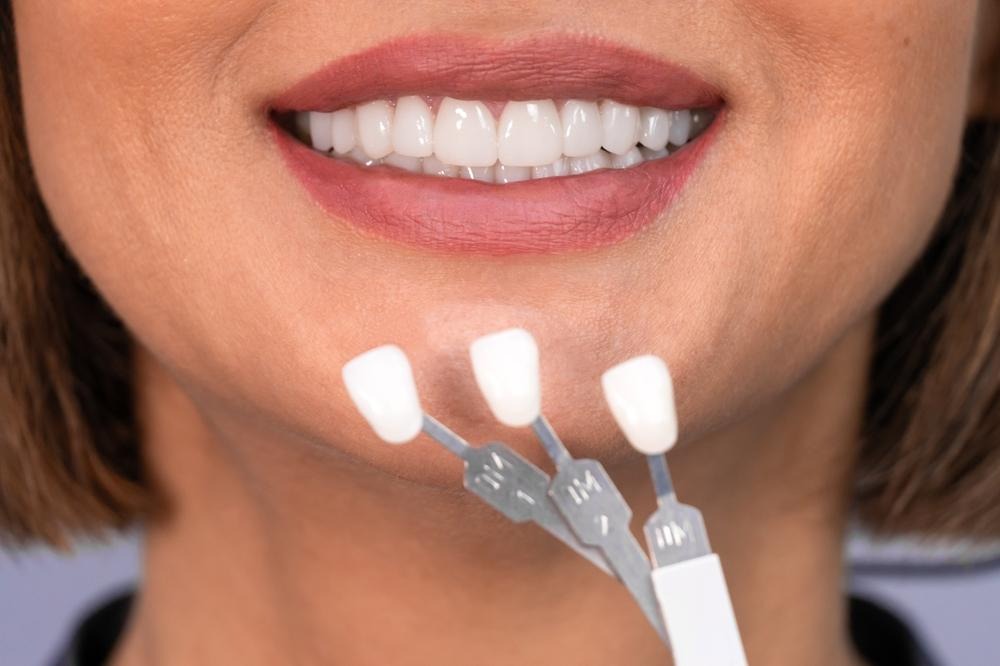
How Location and Materials Affect Cost of Dental Implants
Understanding how these elements influence pricing can help you make informed decisions and plan your cheap and affordable dental implants Pittsburgh PA with confidence.
Why Geographic Location Affects Pricing
First of all, where you receive dental implant treatment has a major impact on cost. Dental practices in large cities or high-cost-of-living areas typically charge more. Higher rent, staff wages, and operating expenses all contribute to increased pricing. As a result, patients in urban centers often see higher implant costs than those in smaller towns.
However, this does not mean higher prices always equal better care. Many reputable providers in suburban or regional areas offer excellent treatment at more competitive rates. Therefore, looking beyond city limits can sometimes lead to meaningful savings.
Regional Demand and Local Competition
In addition to general location, local demand and competition also affect implant pricing. In areas with many implant specialists, clinics often adjust pricing to stay competitive. This healthy competition can benefit patients through more flexible payment options or bundled services.
On the other hand, regions with fewer specialists may have higher prices due to limited availability. Consequently, patients may pay more simply because there are fewer providers offering implant services nearby.
How Materials Impact Implant Costs
Materials used in dental implants significantly influence overall pricing. Most implants are made from titanium or zirconia, both known for durability and biocompatibility. Titanium implants are widely used and often more affordable due to their long history and proven success.
Zirconia implants, while aesthetically appealing and metal-free, usually cost more. They require specialized manufacturing and precise placement. Although both materials offer excellent outcomes, the choice directly affects the total cost of treatment.
Crown Materials and Aesthetic Choices
Beyond the implant itself, the crown material also impacts pricing. Porcelain crowns provide a natural look and resist staining, making them a popular choice. However, they typically cost more than composite alternatives.
Still, higher-quality crowns often last longer and maintain their appearance over time. As a result, investing in durable materials can reduce the need for future replacements and additional expenses.
Technology, Sourcing, and Quality Standards
Another important factor is where and how implant materials are sourced. Implants manufactured under strict quality standards often cost more, but they also deliver better reliability and safety. Advanced technology, such as precision milling and digital planning, further adds to the price.
While cheaper materials may lower upfront costs, they can increase the risk of complications. Therefore, quality sourcing often proves more cost-effective in the long run.
Balancing Cost, Quality, and Convenience
When considering location and materials, balance becomes essential. Traveling to a different area for treatment may reduce costs, but convenience and follow-up care also matter. Likewise, choosing high-quality materials may raise the initial price but improve long-term outcomes.
By discussing options openly with your provider, you can find a solution that fits both your budget and your health goals.
Conclusion: How Location and Materials Affect Cost of Dental Implants
The cost of dental implants depends heavily on where you receive treatment and the materials used. Location affects operating costs and competition, while material choices influence durability and aesthetics. By understanding these factors, you can make smarter decisions and choose implant care that offers true value, not just a low price.
Recent Comments